13 July 2026
Degree Labels Before Fibonacci Lines
Why annotation clinics insist on naming wave degree before measuring ratios — and how that habit prevents false extensions.
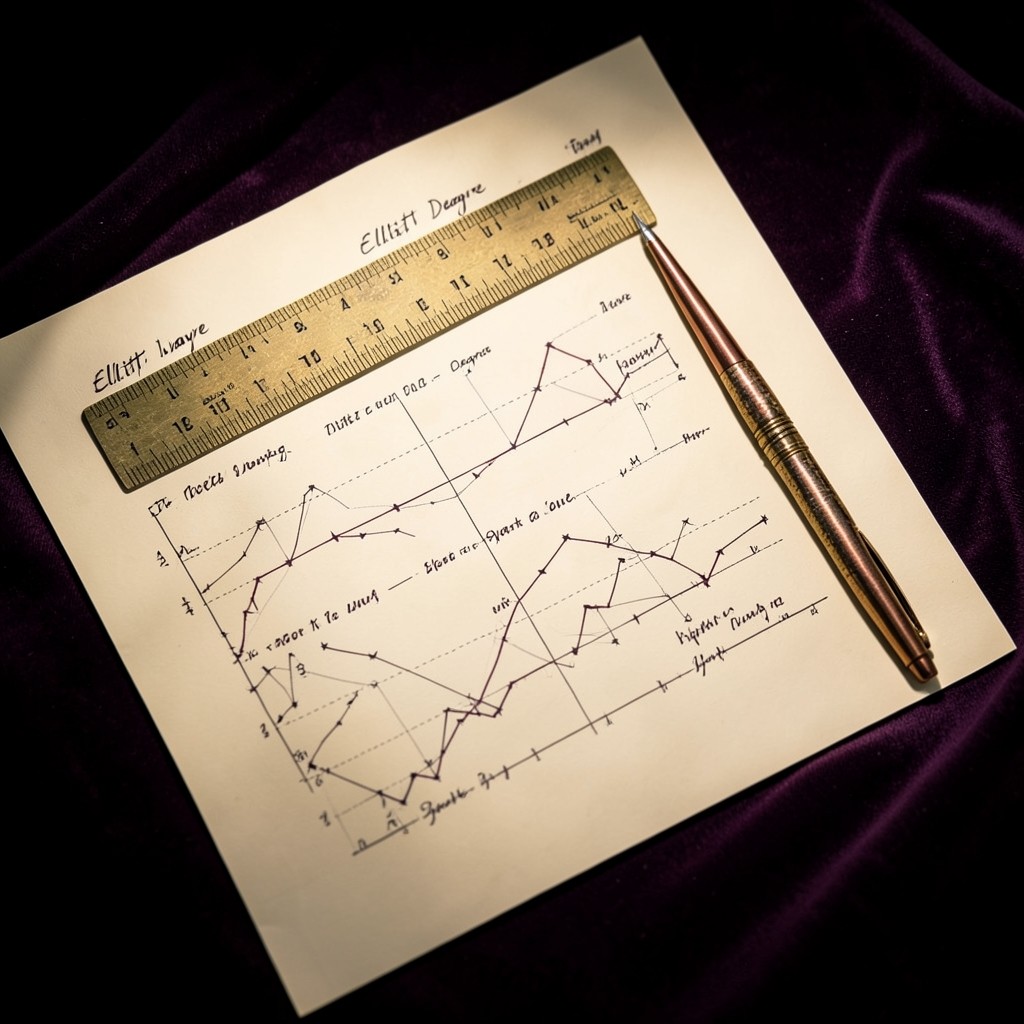
In annotation clinics we ask participants to name the degree of a wave before stretching a Fibonacci grid. The habit sounds pedantic until a room full of charts shows the same mistake: ratios measured across mismatched degrees that only look related because the lines coincide on a printed sheet.
Begin with impulse versus correction at the working degree. Mark the labels in the margin — Primary, Intermediate, Minor — even if you later revise them. Only then measure relationships that belong to the same degree. An extension that looks perfect against a lower-degree swing is usually an illusion.
During the quiet hour we watch for grids drawn first. Those sheets almost always need copper strikethroughs. The take-home checklist therefore puts “degree named” above “ratio noted.” Traders who keep that order report fewer false extensions when Asia session gaps rearrange overnight structure.
If you practise alone, photocopy one chart and annotate degrees in ink before any measuring tool touches the page. Bring both versions to a Private Chart Review Hour if you want the sequence checked.